

The compensation of radiographers in Singapore has become one of the most consistent indicators of how the healthcare industry values experience. These professionals receive incomes that are not just sustainable but also significantly higher than those of similar allied health positions, with an average monthly salary of SGD $4,031. With entry-level jobs starting at about SGD $3,627 per month and senior radiographers earning up to SGD $5,562, this is a particularly advantageous career for people who want to make long-term investments. Bonuses, which typically range from SGD $667 to $1,000, are extra incentives that show how responsibility and expertise may be converted into real monetary gains.
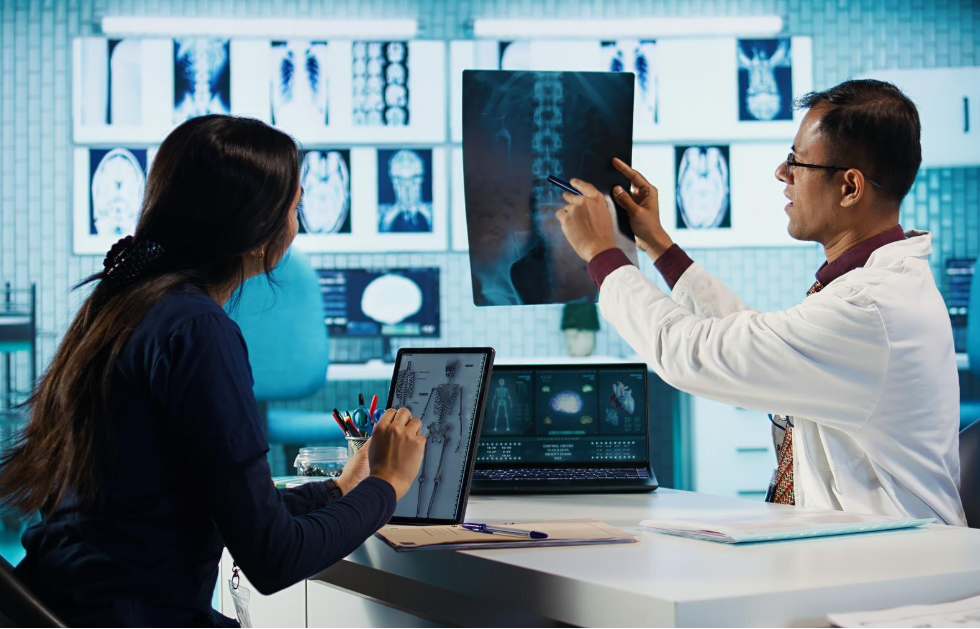
The field itself is divided into therapeutic and diagnostic approaches, both of which significantly improve patient care. Diagnostic radiologists uncover hidden interior diseases by using sophisticated instruments including MRI scans, ultrasounds, and X-rays. By employing radiation treatment to directly target illness, therapeutic radiographers, on the other hand, play a very evident role in treating patients, especially those who are fighting cancer. These two subfields demonstrate how extraordinarily flexible radiography is, enabling practitioners to concentrate on problem identification or actively contribute to solutions.
Radiographer Salary and Career Details in Singapore
| Aspect | Details |
|---|---|
| Average Monthly Salary | SGD $4,031 |
| Average Annual Salary | SGD $48,372 |
| Entry-Level Salary | Around SGD $3,627 per month |
| Senior-Level Salary | Up to SGD $5,562 per month |
| Additional Pay | SGD $667 – $1,000 monthly bonuses |
| Job Roles | Diagnostic Radiographer, Therapeutic Radiographer |
| Main Duties | Diagnosis, imaging, treatment planning, radiation safety |
| Career Progression Drivers | Experience, seniority, specialization, bonuses |
| Reference | Radiographer Salaries |
Experience raises pay scales, and seniority is frequently rewarded with leadership responsibilities including supervising radiation safety, leading imaging teams, and making sure equipment runs well. In addition to receiving larger incentives, senior radiographers also rise in the healthcare industry, where their expertise is highly valued when mentoring less experienced employees. Radiographers can guarantee that their pay increases much more quickly than in many other support healthcare professions by utilizing continual learning and remaining ahead of technological advances.
Daily tasks are not monotonous at all. Radiographers evaluate injuries, perform comprehensive imaging, plan treatment strategies, and communicate results to patients, many of whom experience anxiety. Their vocation is quite comparable to translators who bridge two languages—the language of sophisticated medical imaging and the human desire for clarity and reassurance—because of their mix of technical proficiency and caring communication. Radiographers are trusted by patients for both accuracy and empathy, and it is this human element that makes their work so effective in promoting improved health outcomes.
Radiographers hold a well-defined middle ground as compared to other healthcare professions. In Singapore, nurses typically make around SGD $3,500 per month, whereas doctors can make much more than SGD $10,000. Between these positions, radiographers strike a balance between specialized knowledge and consistent compensation. Their pay may not be the highest, but it is nonetheless competitively enticing for professionals and surprisingly reasonable for hospitals. This striking balance demonstrates how Singapore’s healthcare system promotes technical expertise without pushing people into unmanageable debt.
The importance of radiography in Singapore is reaffirmed by international comparisons. Although radiographers in the US make about $65,000 a year and those in the UK make about £35,000, Singapore offers competitive remuneration that is in line with the greater cost of living in the city-state. Radiography is a good choice for young professionals looking for occupations with very clear growth and stability prospects. In Singapore’s structured economy, this career option is exceptionally beneficial for long-term planning, including housing and family commitments, because to the predictability of wage advancement.
It is impossible to exaggerate the impact on society. Radiographers are becoming progressively more important as Singapore’s population ages and its healthcare needs increase. Their pay is a reflection of both the expected demand for their services and their present contributions. Athletes whose contracts rise in tandem with their increasing significance to the sport exhibit a remarkably similar trajectory. Despite rarely being in the spotlight, radiographers quietly make sure that hospitals operate precisely and that patients are given accurate diagnoses.
Celebrities frequently highlight the disparity between necessary labor and income from entertainment. While football players can earn more in a week than a radiographer does in a year, the latter’s contributions to patient rehabilitation are incredibly significant and long-lasting. This disparity illustrates how cultures occasionally fail to recognize the unsung heroes who maintain the highest standards of healthcare. The good news is that radiographers are becoming more and more acknowledged in healthcare conversations, which emphasize their value in addition to that of physicians and nurses.
Radiography is a difficult career path that calls for extensive training, equipment proficiency, and the capacity for compassion in high-stress situations. However, it is also quite successful in creating professions that combine science with humanism. By using technology to automate processes and incorporating empathy to streamline patient experiences, radiographers are revolutionizing entire sectors. In order to stay ahead of the curve, those who consistently pursue new certifications and use cutting-edge imaging techniques frequently see a significant increase in their compensation.
